


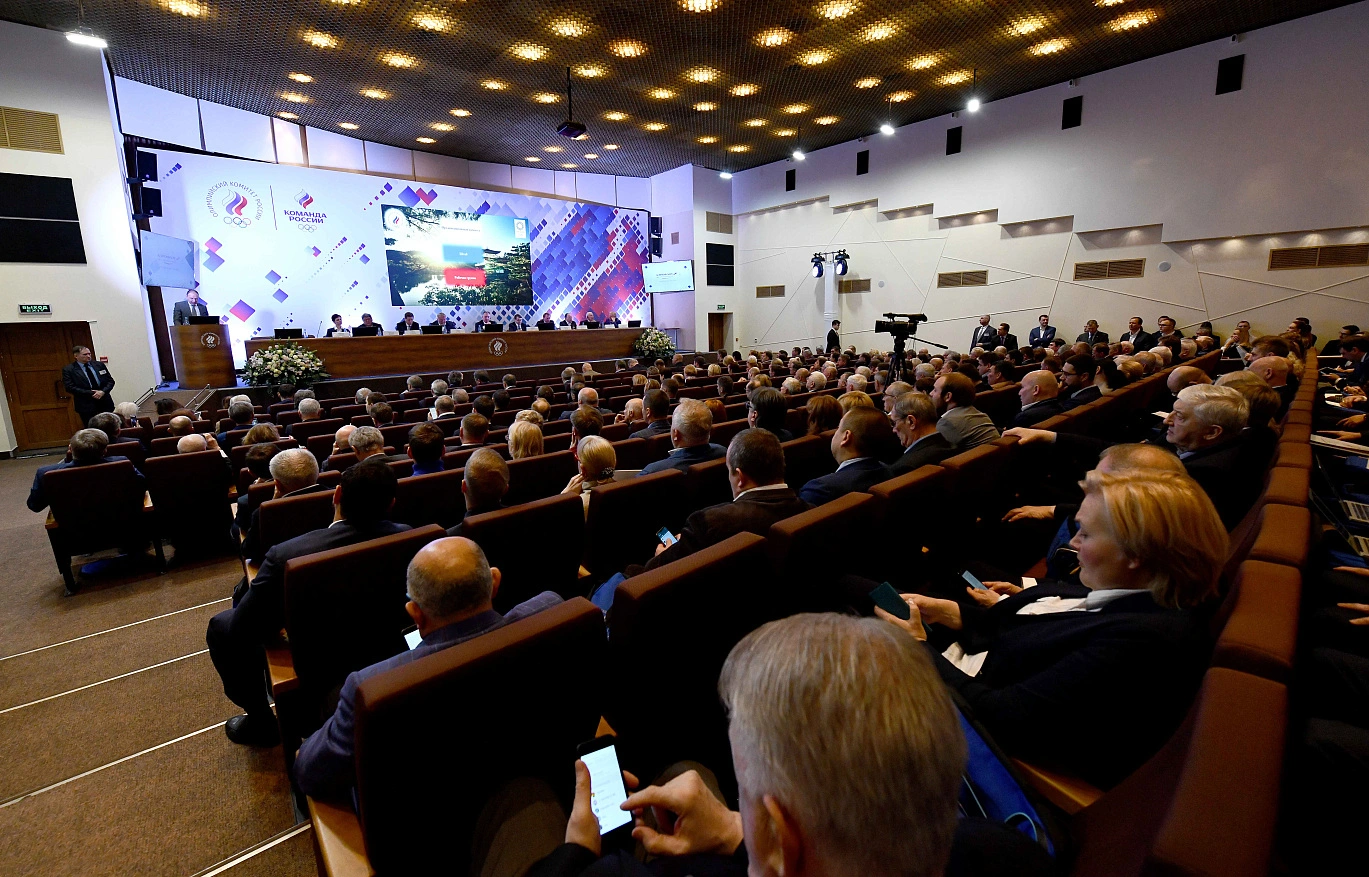
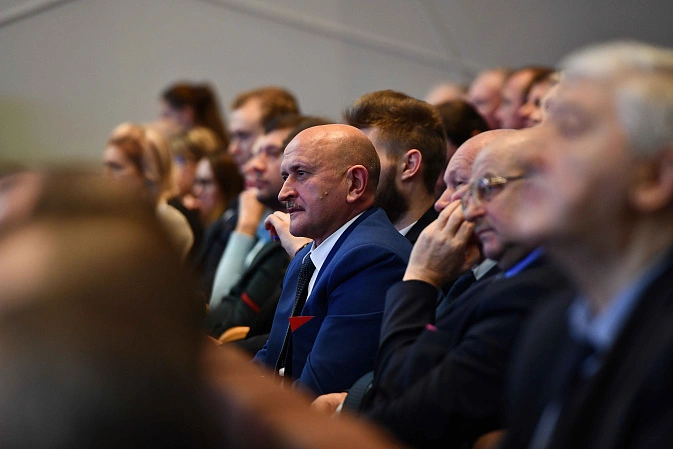
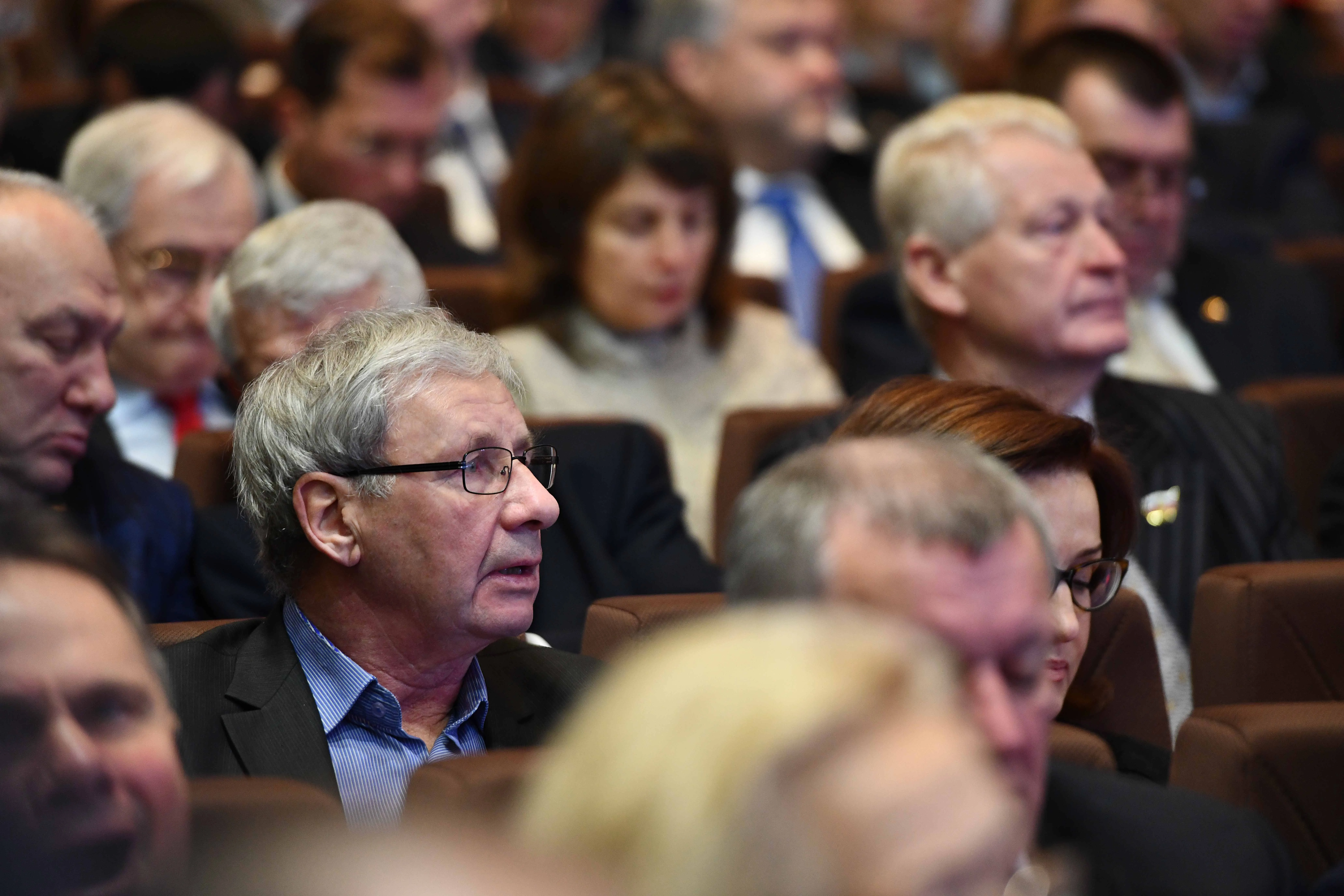
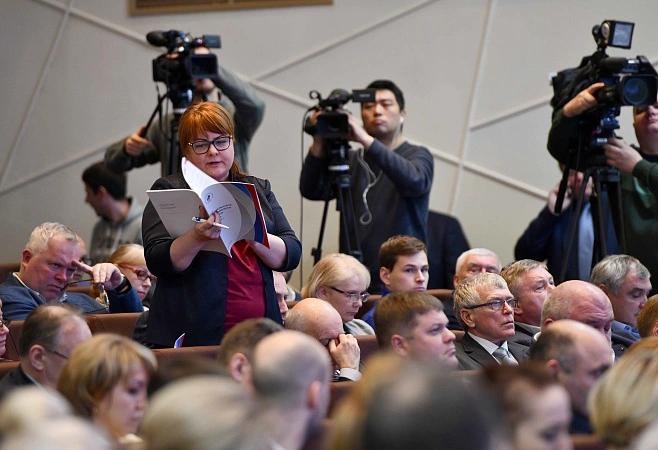
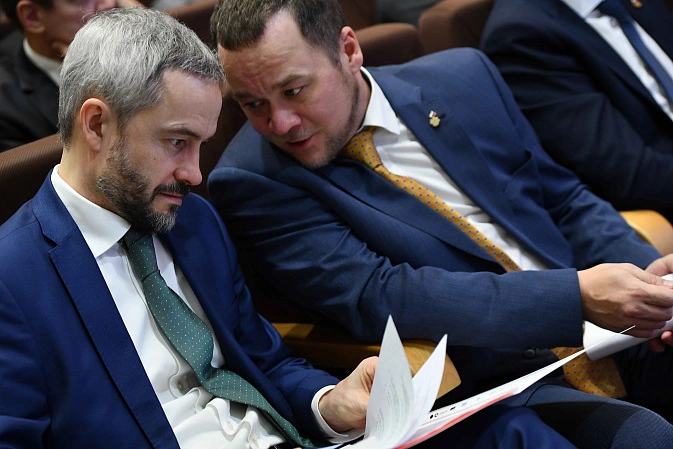
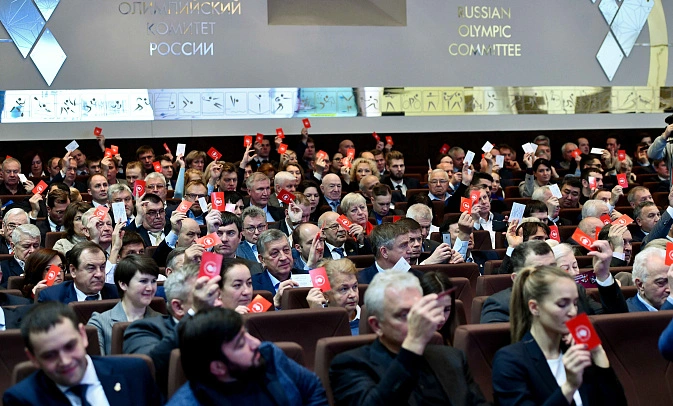
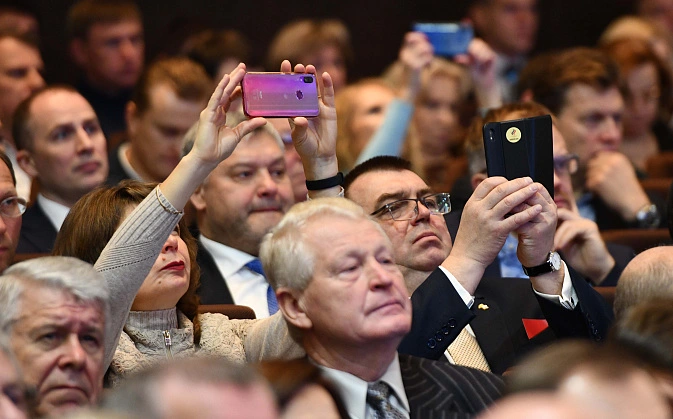
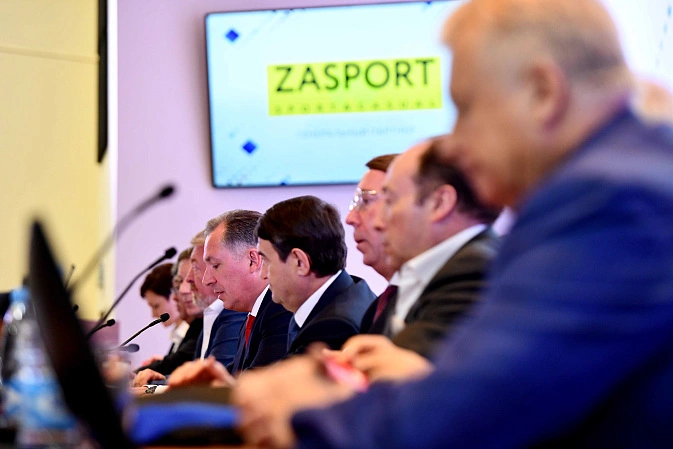

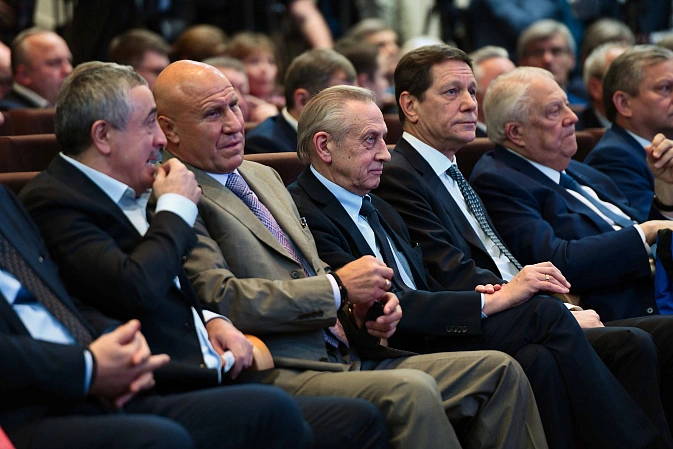
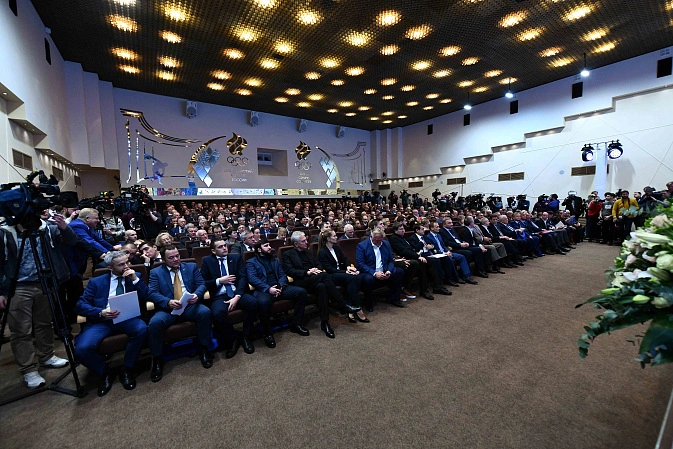
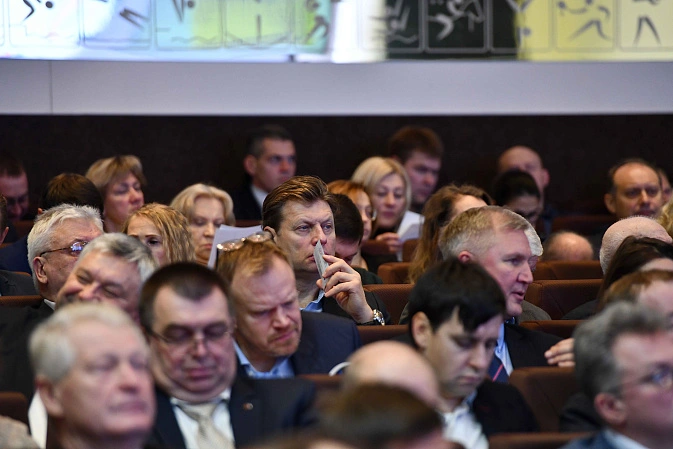
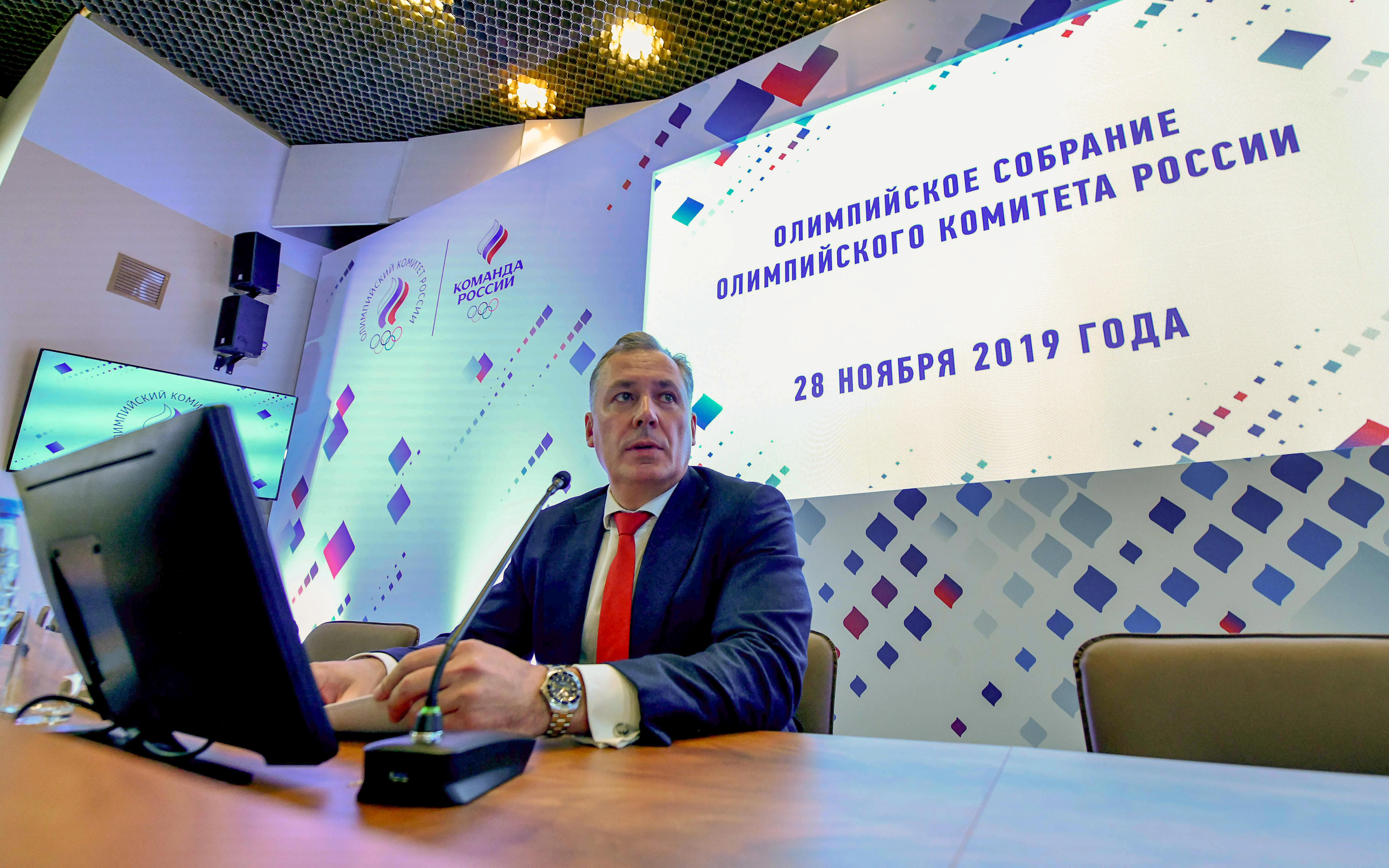
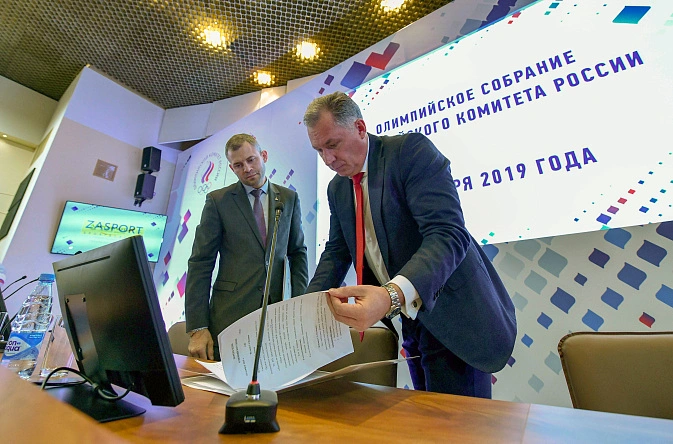
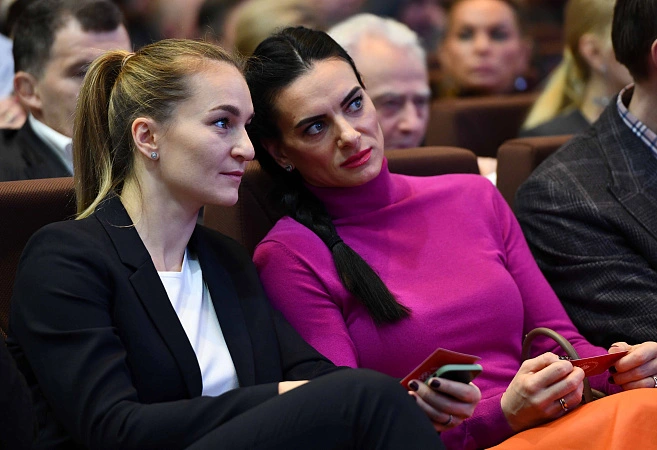
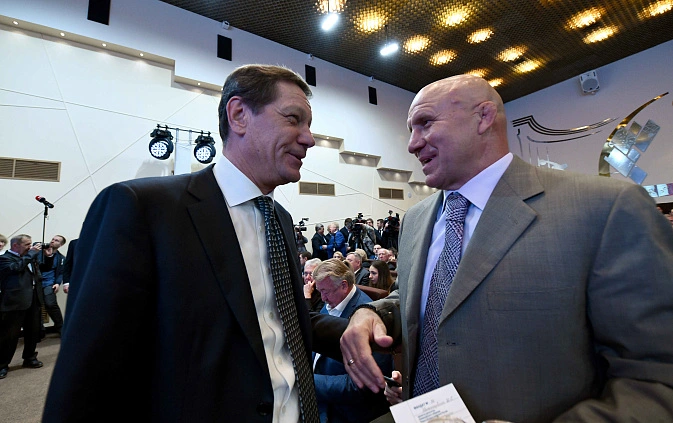
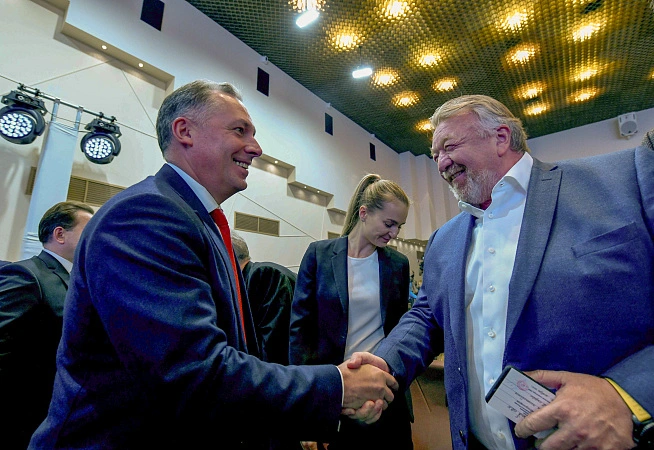
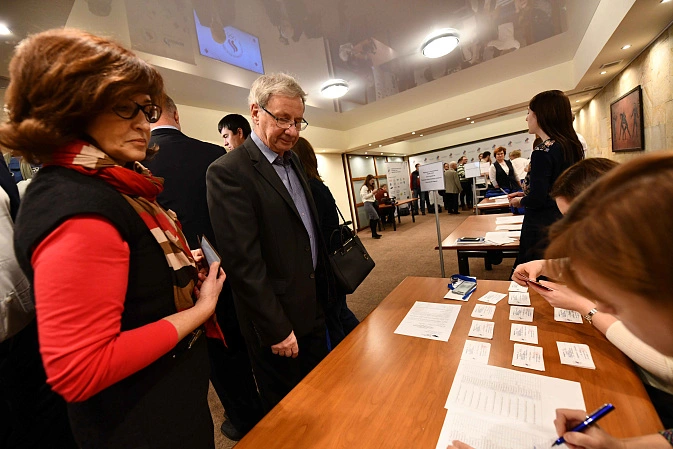
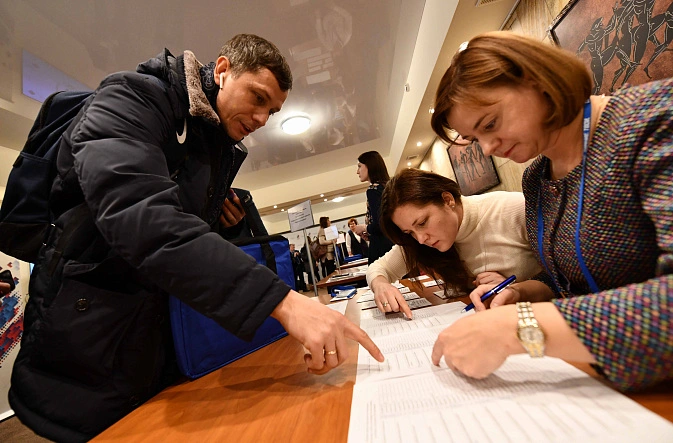
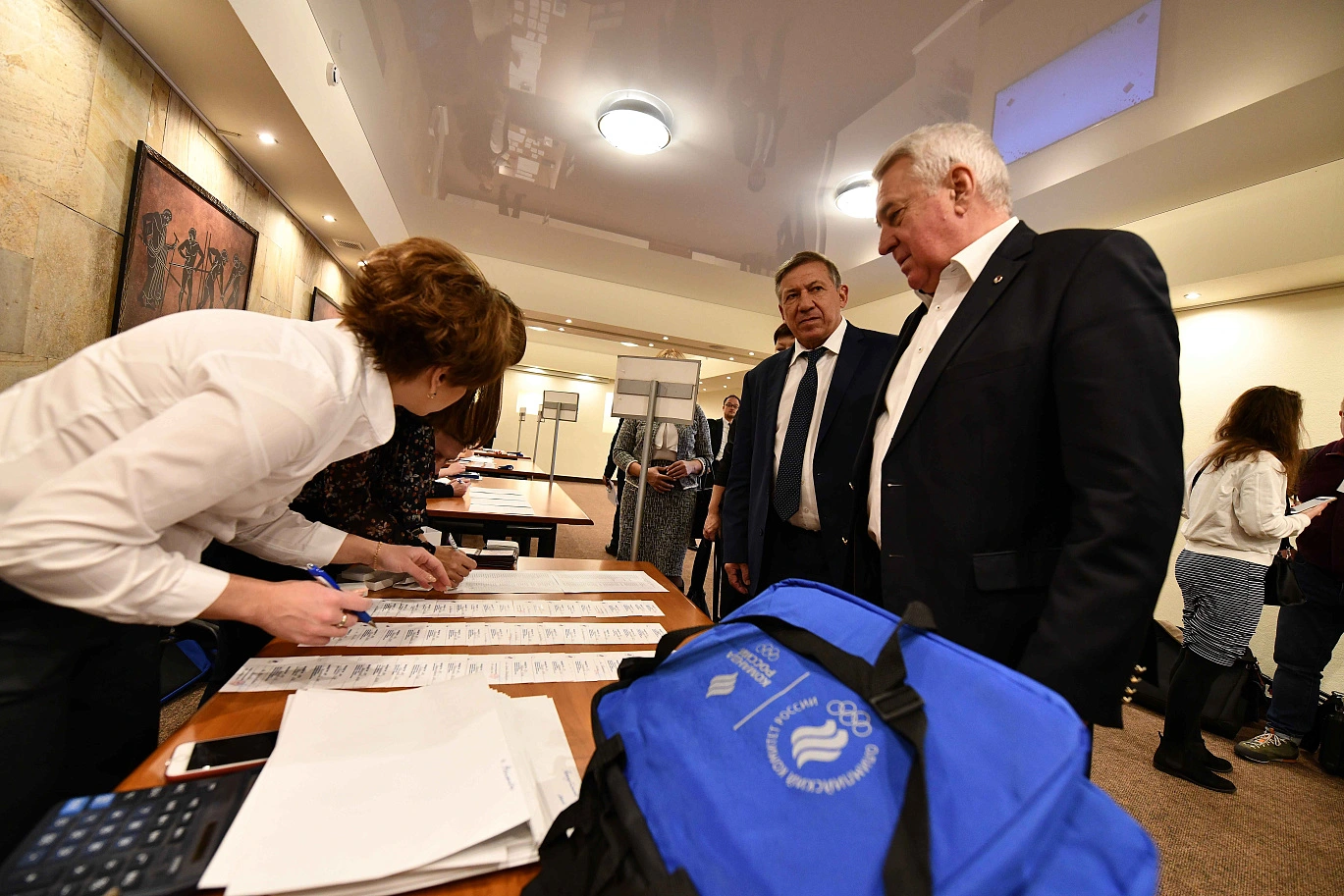
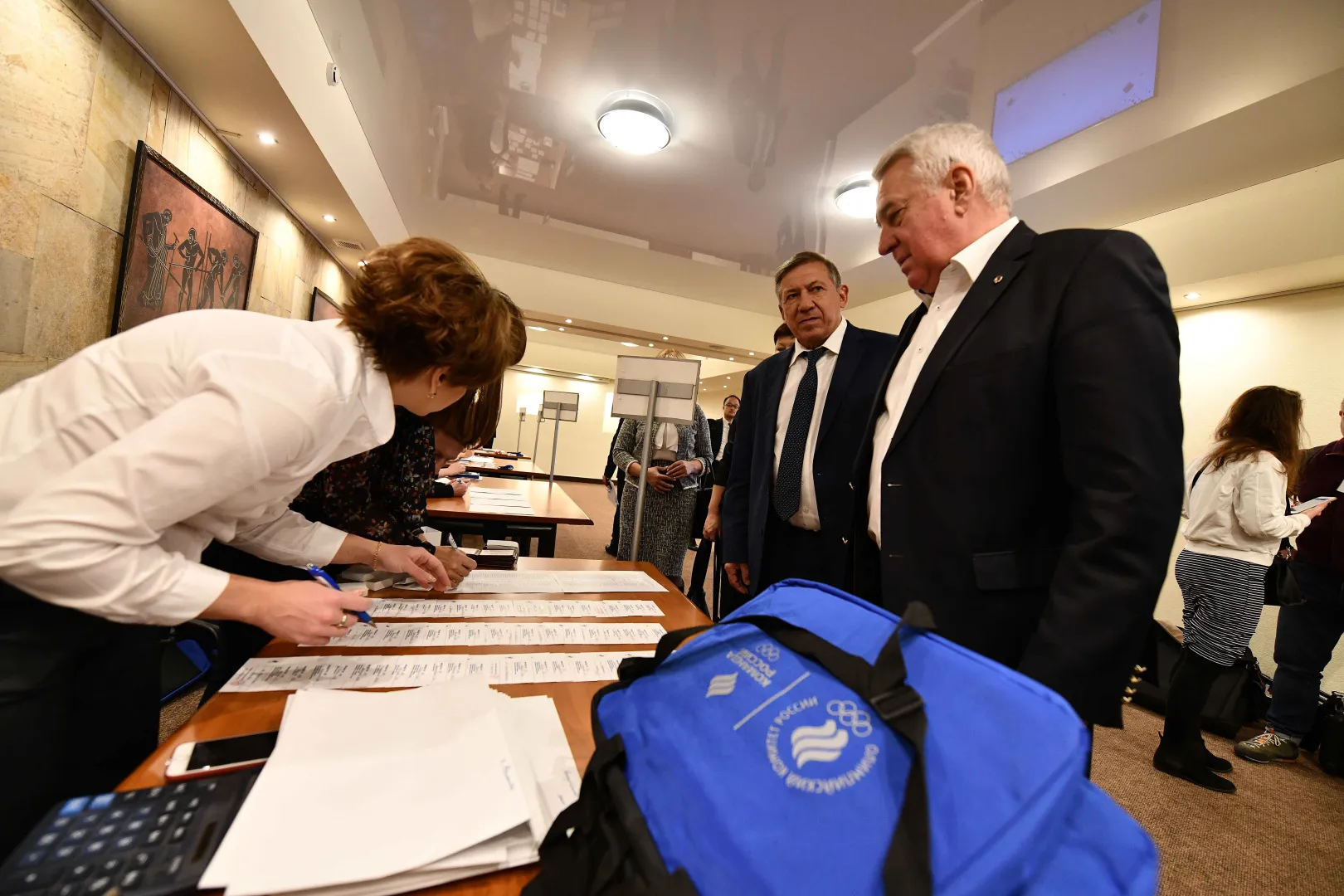
Today, the annual Olympic Assembly was held at the Russian Olympic Committee (ROC), attended by representatives of All-Russian Sports Federations (RSFs), regional Olympic councils, Olympic academies and other ROC member organizations, as well as renowned coaches and athletes.
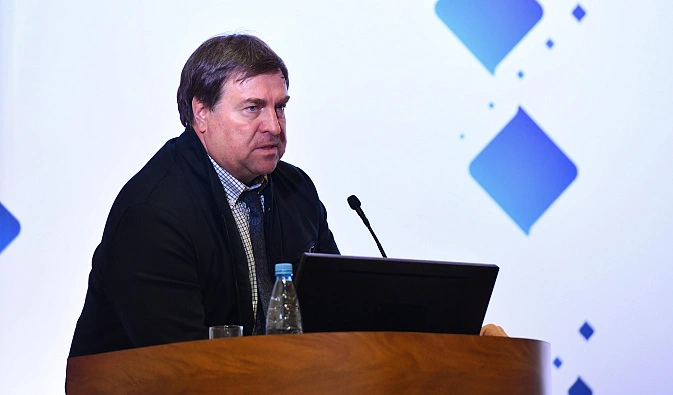
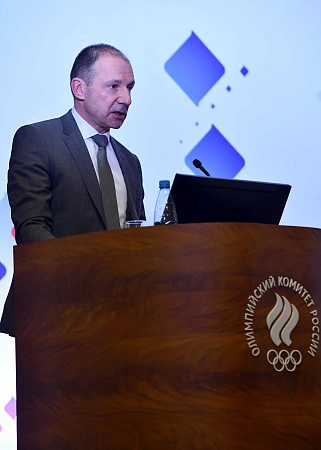
After the opening remarks by ROC President Stanislav Pozdnyakov, the delegates — 243 people were present in the hall — listened to a report by ROC Sports Director Andrey Konokotin on the progress of preparations of the Russian Olympic Team for participation in the Games of the XXXII Olympiad in Tokyo.
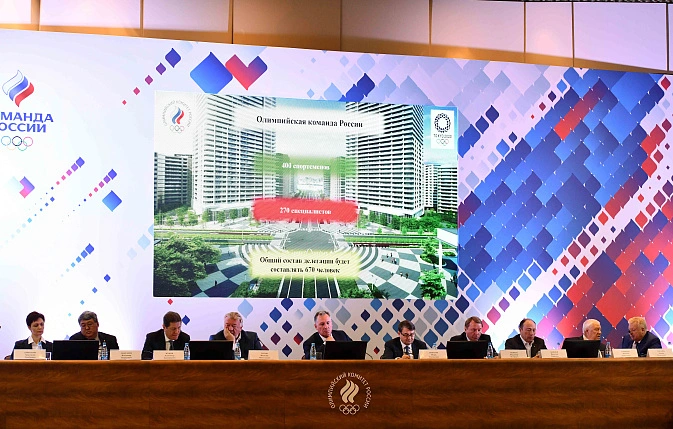
In particular, it was noted that the Russian Olympic Team would include approximately 380 athletes and 260 specialists, taking rotation into account. The total delegation will number around 620–640 people.
As of November 11, 178 Russian athletes (89 men and 89 women) had earned 98 Olympic quota places in 16 sports. These include 3x3 basketball, volleyball (men and women), as well as a men’s pair in beach volleyball, canoe sprint, canoe slalom, equestrian sport (dressage), athletics, sailing, swimming, diving, synchronized swimming, modern pentathlon, wrestling, artistic gymnastics, shooting, archery, and rhythmic gymnastics.
The Russian Olympic Committee, together with the All-Russian Sports Federations and the Ministry of Sport of the Russian Federation, has developed the procedures and principles for forming the Russian Olympic Team, which will be approved at the December meeting of the ROC Executive Committee.
According to this document, mandatory requirements for participation in the Games include undergoing an in-depth medical examination and completing RUSADA’s online testing. Athletes who fail to meet these requirements will not be allowed to compete in the Games.
The International Olympic Committee has set July 6, 2020, as the final deadline for submitting sport entry forms for participation in the Games. After this date, substitutions will only be permitted for medical reasons.
Accreditation will begin in January 2020. The deadline for submitting documents with extended lists for federations is April 3.
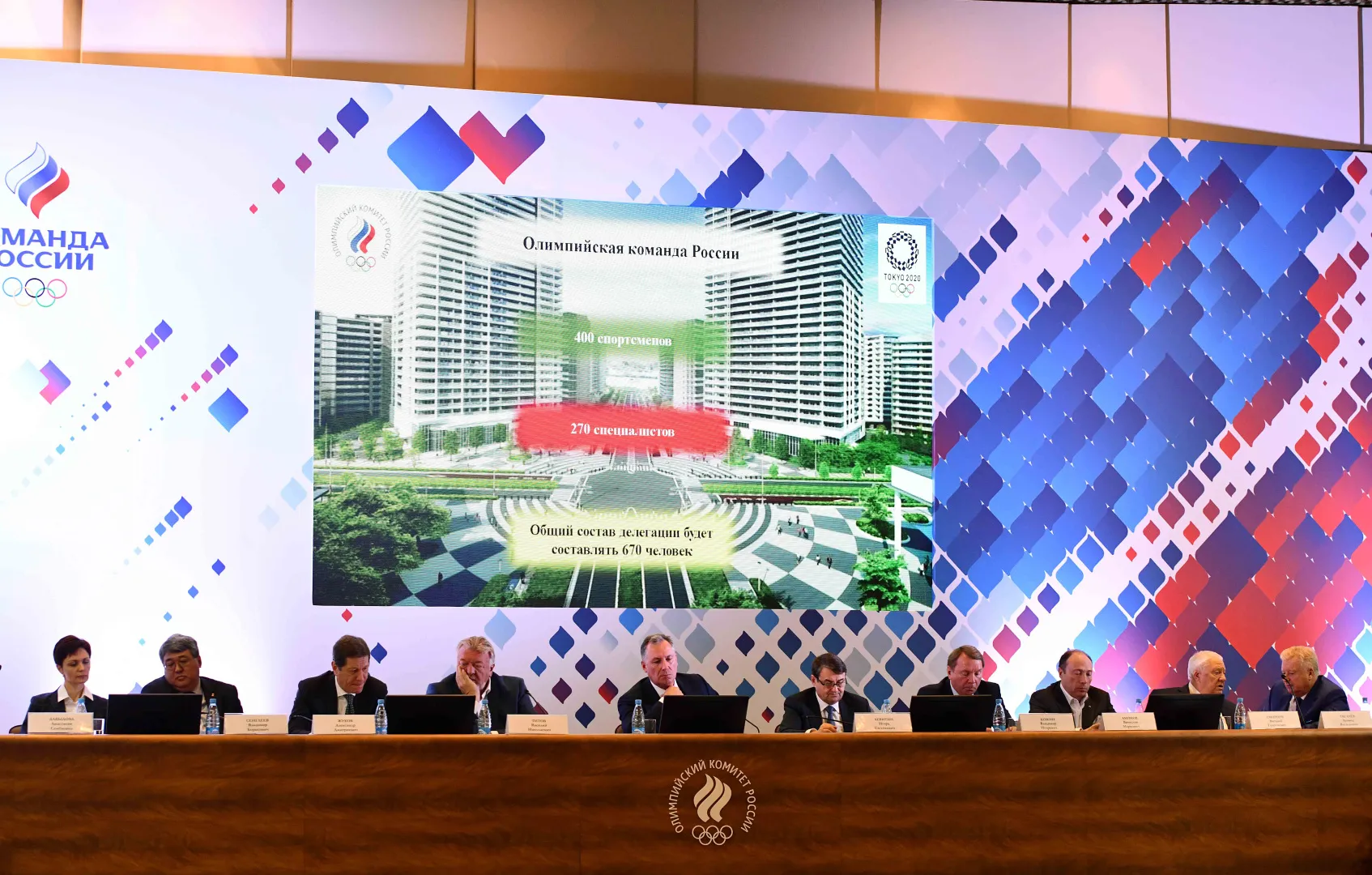
The Games of the XXXII Olympiad will be held in Tokyo from July 24 to August 9, 2020. More than 11,000 athletes from 206 National Olympic Committees will take part.
Competitions will be held in 40 sports, including six newly added to the Olympic program: baseball, softball, karate, surfing, sport climbing, and skateboarding. Compared to the 2016 Games in Rio de Janeiro, the number of medal events has increased from 306 to 339.
A total of 40 venues are planned for use, including 23 existing and 17 new ones. The venues are divided into two zones — the Tokyo Bay Zone and the Heritage Zone. The Tokyo Bay Zone includes newly constructed venues, while the Heritage Zone features those used during the Games of the XVIII Olympiad in Tokyo in 1964.
In addition to Tokyo, competitions will also be hosted by the cities of Enoshima (sailing), Izu (cycling), Fukushima (baseball, softball), Sapporo, Miyagi, Saitama, and Yokohama (football).
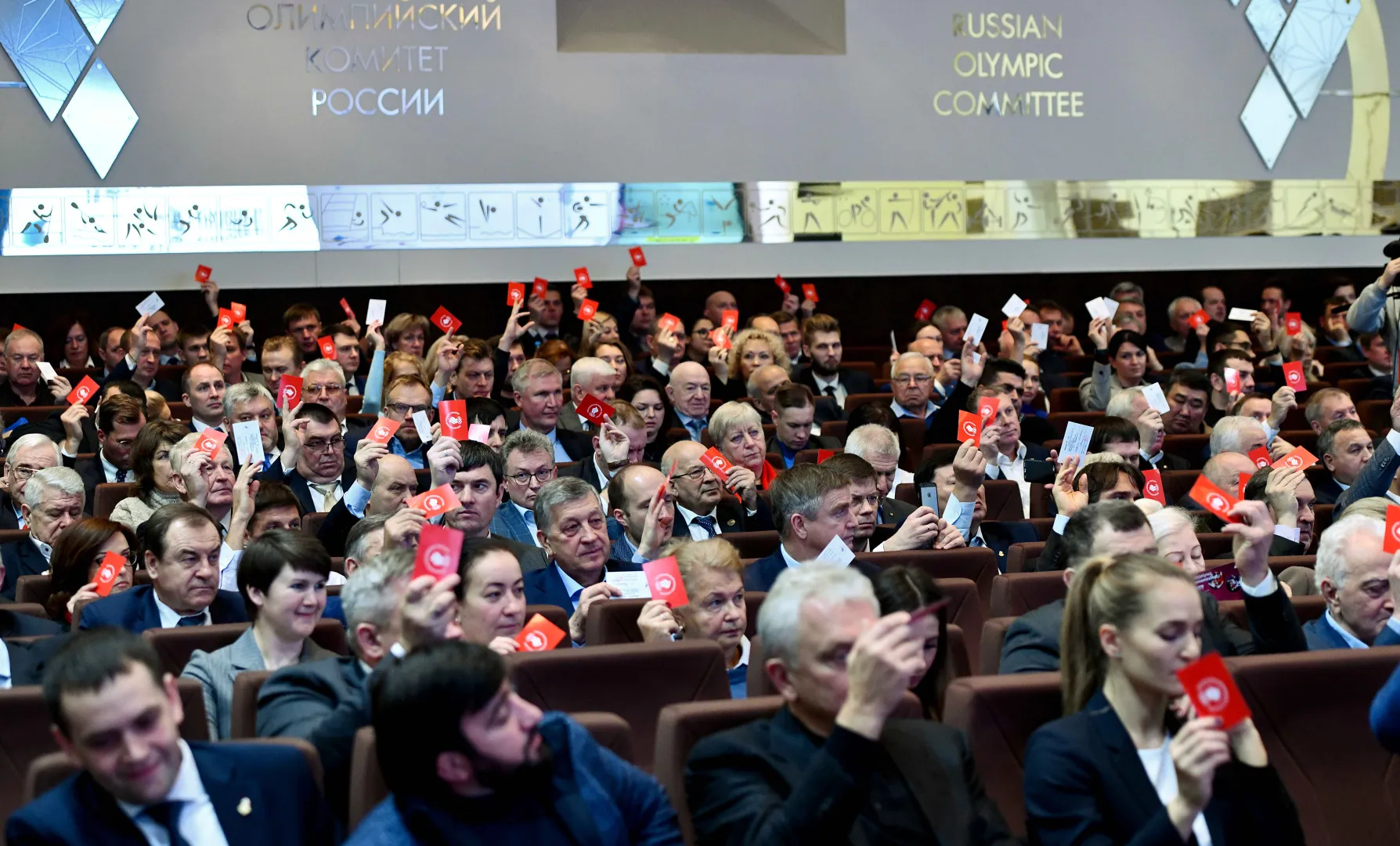
Following Andrey Konokotin’s report, the Olympic Assembly resolved to:
-
Take note of the information on the progress of preparations of the Russian Olympic Team for the 2020 Games.
-
The Russian Olympic Committee (ROC), together with the Ministry of Sport of the Russian Federation, the All-Russian Sports Federations (ARSFs) for summer Olympic sports, and the Federal Medical-Biological Agency of Russia (FMBA), shall consider as a priority task the creation of favorable conditions for the effective completion of the final stage of preparation and достойное performance of Russian athletes at the Games of the XXXII Olympiad 2020 in Tokyo, as well as concentrate efforts on implementing the action plan approved by the Organizing Committee under the Government of the Russian Federation to ensure the necessary level of preparation of Russian athletes for participation in the Games.
-
Request the executive authorities of the constituent entities of the Russian Federation to assist in preparing sports facilities for hosting Russian national teams and conducting the final stage of preparation for the Games at a high organizational level, as well as in creating favorable conditions for candidates to the Russian Olympic Team and their coaches for training, recovery, and medical support, and, if necessary, in improving their social and living conditions.
-
Request the Ministry of Sport of the Russian Federation to send the lists of athlete candidates for participation in the 2020 Games to the heads of the constituent entities of the Russian Federation.
-
Note that the results achieved by Russian national teams at the 2019 World Championships enable the Russian Olympic Team to compete for a place among the top three in the unofficial team standings at the Games in Tokyo.
-
Submit for approval by the ROC Executive Committee the “Procedure and Principles for Forming the Russian Olympic Team for Participation in the 2020 Games.”
-
Request the leadership of the FMBA of Russia, at the final stage of preparation, to pay special attention to the medical and medico-biological support of athlete candidates for the Olympic Team, and to apply an individualized approach in providing pharmacological support and rehabilitation.
-
Recommend that the ARSFs for summer Olympic sports review the results of the 2019 sports season at meetings of their governing bodies, conduct an analysis, and, if necessary, adjust preparation plans for national teams ahead of the Games.
-
The ROC, together with the Ministry of Sport of the Russian Federation and the ARSFs for summer Olympic sports, shall ensure:
- implementation of targeted comprehensive training programs for athlete candidates for participation in the Games
- control over the execution of individual training plans for athlete candidates for participation in the Games;- regular monitoring of the performance of Russian national teams at major international competitions prior to the start of the Games;
- informational support of the preparation and participation of Russian national teams in the Games
-
The ARSFs for summer Olympic sports shall ensure compliance by athletes, coaches, and specialists of Russian national teams with anti-doping rules.
-
The Russian Olympic Committee shall:
- in cooperation with executive authorities in the field of physical culture and sport and public sports organizations, continue systematic and comprehensive preparation of athlete candidates for participation in the 2020 Games
- continue implementing a set of measures aimed at further developing sustainable cooperation with international sports bodies to ensure and protect the rights and interests of Russian athlete candidates for participation in the 2020 Games.
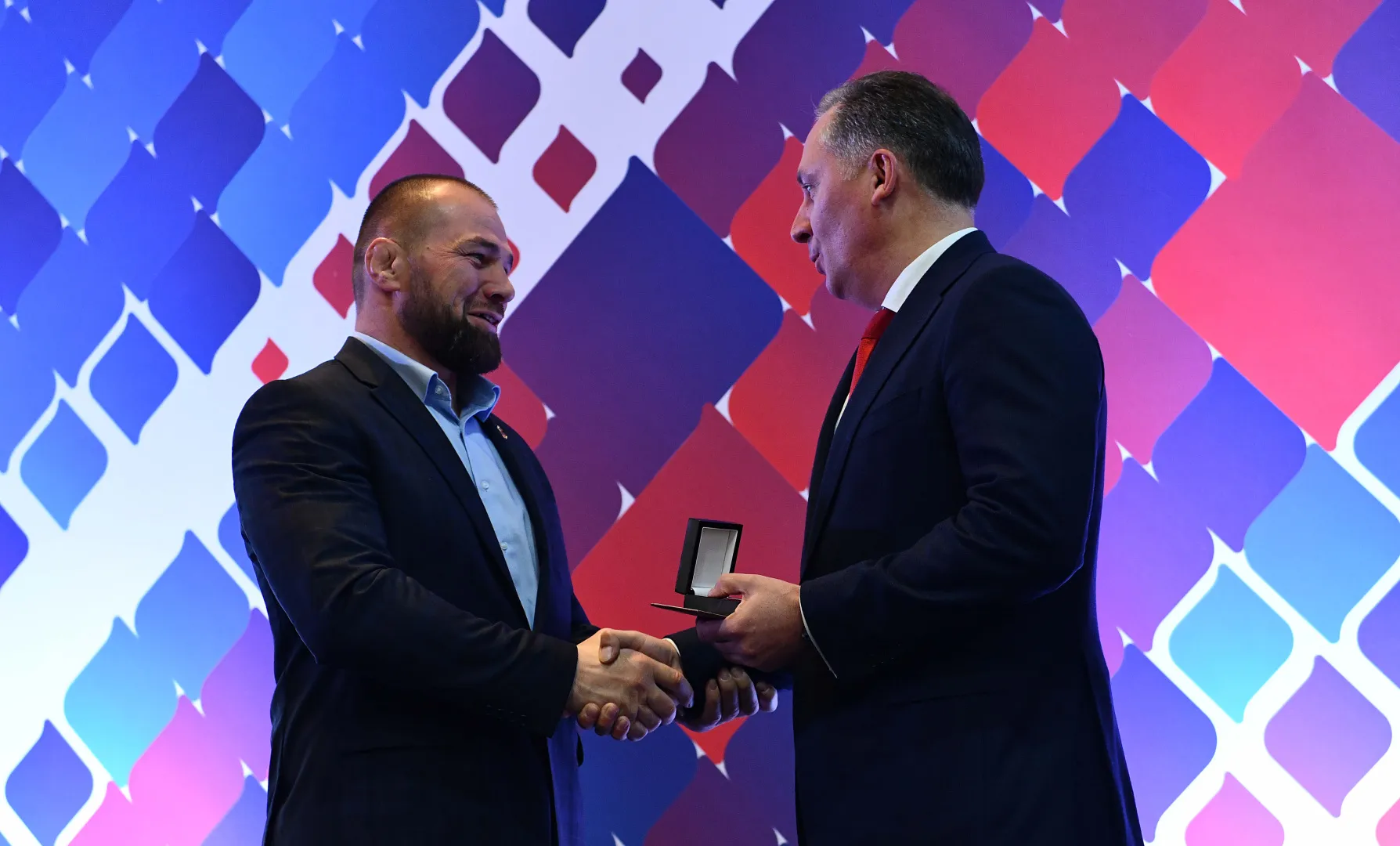
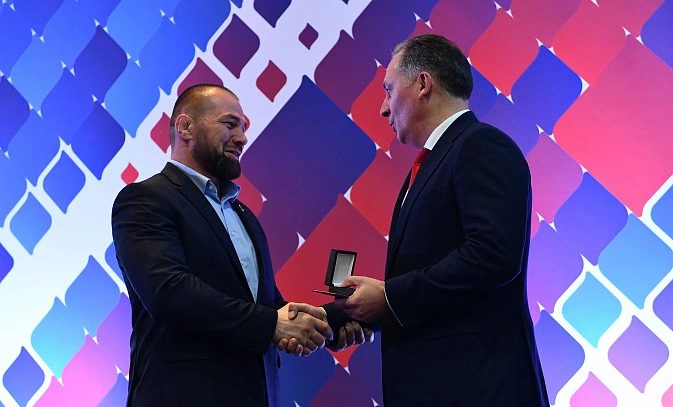
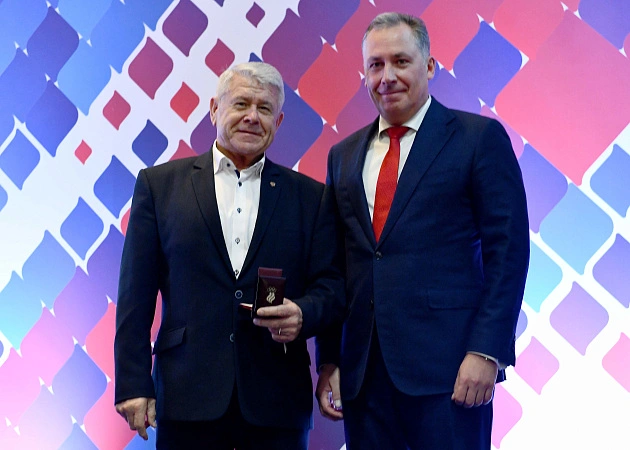
In addition, as part of the Olympic Assembly, the ROC Honorary Badge “For Merits in the Development of the Olympic Movement in Russia” was awarded to the following specialists:
-
Irina Mikhailovna Badayan — Vice-Rector for Academic Affairs of the Sochi branch of the Russian International Olympic University, for her significant work in implementing and promoting educational programs in the field of physical culture and sport and for promoting the Olympic movement in the Russian Federation;
-
Yaroslav Ivanovich Kalagursky — Honorary President of the Tennis Federation of Russia, for his significant contribution to the development and popularization of tennis, promotion of the Olympic movement in the Russian Federation, and on the occasion of his 80th birthday;
-
Anna Valeryevna Leshchikova — Executive Director of the Shooting Union of Russia, for her significant work in the development and popularization of physical culture and sport and promotion of the Olympic movement in the Russian Federation;
-
Ivan Ivanovich Linkov — Advisor to the Rector of the Russian International Olympic University, for his significant work in the development and popularization of physical culture and sport and promotion of the Olympic movement in the Russian Federation;
-
Evgeny Anatolyevich Mikhailov — President of the Olympic Council of the Republic of Crimea, Honored Coach in weightlifting, Master of Sport, for his significant work in the development and popularization of physical culture and sport and promotion of the Olympic movement in Crimea;
-
Evgeny Alekseyevich Panteleev — President of the Moscow Tennis Federation, for his significant contribution to the development and popularization of tennis and promotion of the Olympic movement in the Russian Federation;
-
Maxim Vladimirovich Povalyaev — Head of the Kristall Ice Palace Complex of Gazprom Transgaz Samara LLC, for his significant work in the development and popularization of physical culture and sport and promotion of the Olympic movement in the Samara Region;
-
Boris Lvovich Sobkin — Honored Coach of Russia, for his significant contribution to the development and popularization of tennis, training of international-level athletes, promotion of the Olympic movement in the Russian Federation, and on the occasion of his 70th birthday;
-
Aslanbek Vitalyevich Khushtov — 2008 Olympic champion in Greco-Roman wrestling, multiple world and European champion and medalist, for his significant contribution to the development and popularization of physical culture and sport and promotion of the Olympic movement in the Kabardino-Balkarian Republic.